TAG

# Product Management

← All tags · 20 post(s)

2026-08-09

How Expensive Can One Product Judgment Get? Zuckerberg Renamed the Company Meta for the Metaverse, Burned $80 Billion in Four Years, and Is Now Cutting the Budget

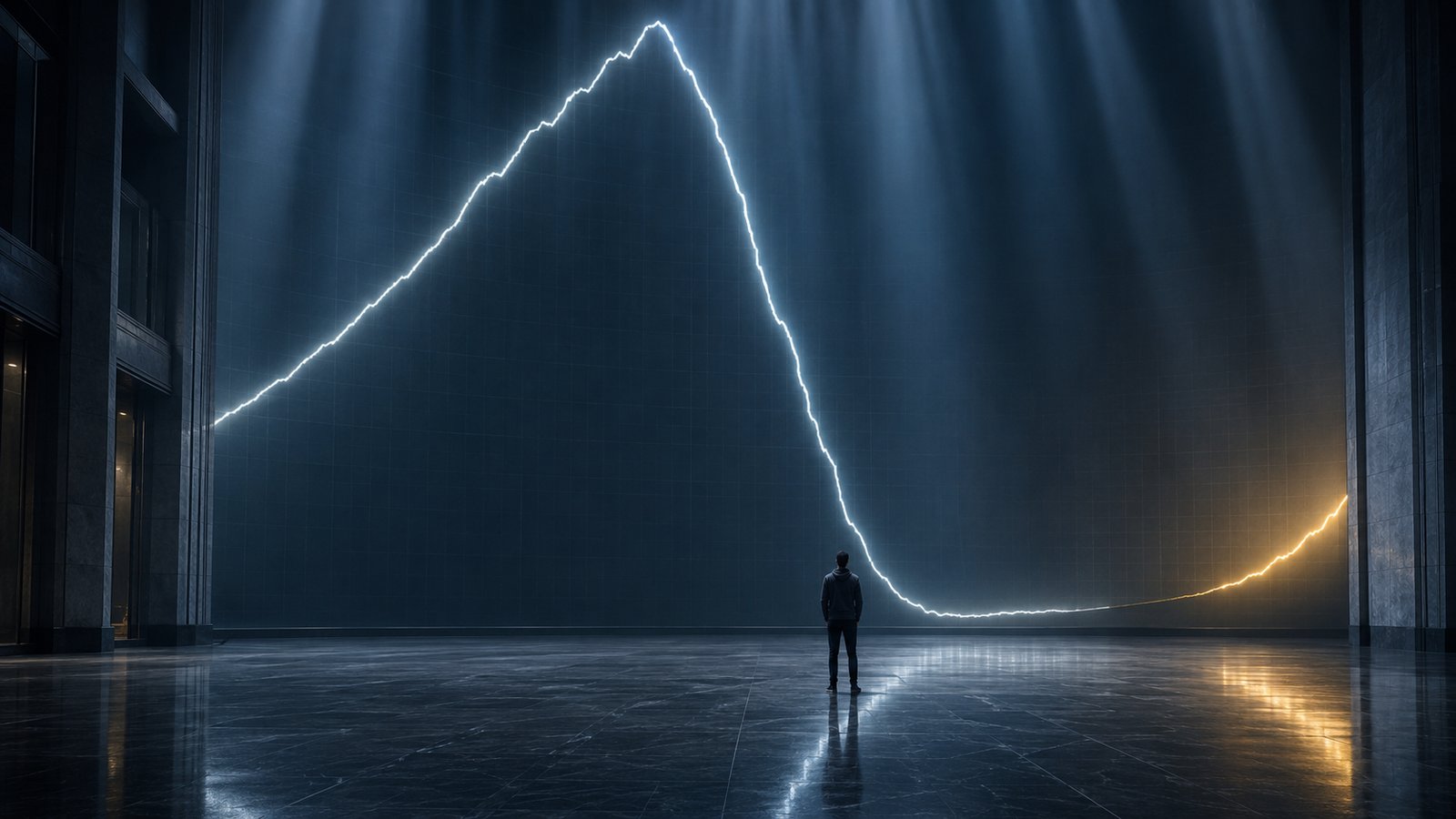
In 2025 Reality Labs booked $2.21 billion in revenue and a $19.19 billion operating loss — it lost $8.70 for every dollar it took in. That was the fourth full year after Zuckerberg renamed Facebook to Meta on October 28, 2021, and the fifth straight year the loss curve widened, with not one year of narrowing in between. Bloomberg reported in December 2025 that Meta's 2026 budget would cut the metaverse division by up to 30%, while every other department was asked to find 10%. The savings went to AI glasses. One line in the original rename announcement usually gets skipped: the ticker was to change from FB to MVRS on December 1 — a symbol that never traded a single day, because what actually listed on June 9, 2022 was META. He ranks 9th on our board with an OVR of 95: scale 99, insight 96, and a vision score of 94, the lowest in the top ten. This piece is about the bill product managers habitually underestimate: the cost of retreat depends on which layer you bound the judgment to.

How Expensive Can One Product Judgment Get? Zuckerberg Renamed the Company Meta for the Metaverse, Burned $80 Billion in Four Years, and Is Now Cutting the Budget
2026-08-08

Your Hardware Just Shipped a Serious Defect — Now What? The GAC Toyota bZ7 Was Recalled Twice in Under 100 Days, Both Times for Software

On August 1, GAC Toyota filed two recalls for the bZ7: S2026M0083V covering 15,266 vehicles and S2026M0084V covering 24,286, for 39,552 in total. Both notices name software as the defect — one says the smart Bluetooth module's software control program was insufficiently considered, which can shift the car from D to N while driving; the other says the thermal management controller's software strategy is incomplete, which can kill defrost and defog. Both are fixed over the air, with no service visit. The same month brought three recalls that require hands: Land Rover pulls 160,232 vehicles from August 8 for fretting corrosion at the airbag connector, fixed by greasing terminals one car at a time, and XPeng pulls 33,473 X9s from August 28 to replace air spring struts. This piece is about the two faces of one shift: software has crushed the cost of the fix to almost nothing, and has not removed a single filing obligation.
Your Hardware Just Shipped a Serious Defect — Now What? The GAC Toyota bZ7 Was Recalled Twice in Under 100 Days, Both Times for Software
2026-08-07

Is a PM's Record Measured by the Exit or by Survival? Musk's X Product Head Sold Two Hits — Both Were Shut Down

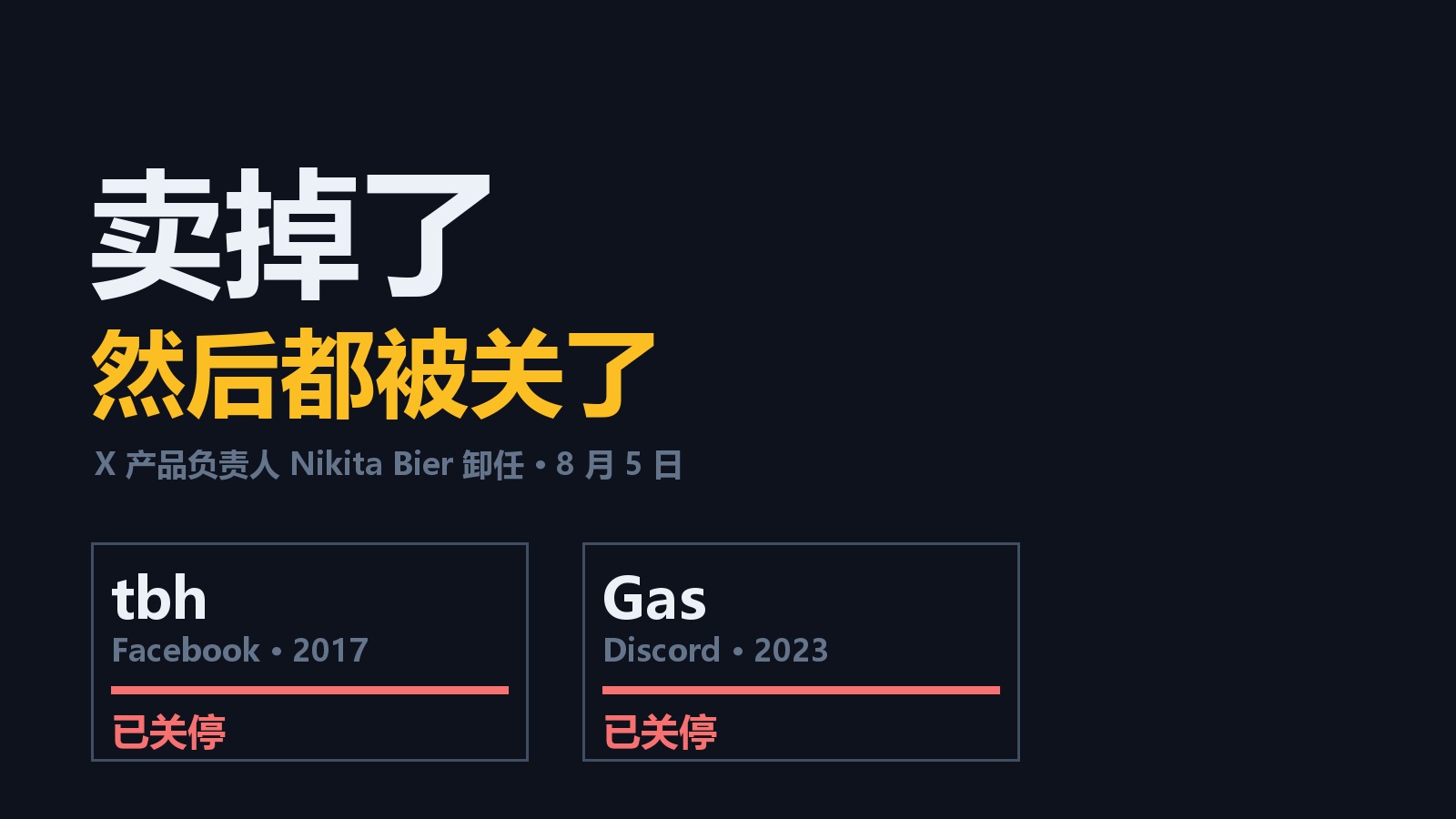
On August 5, Nikita Bier stepped down as head of product at X, a year and one month after taking the job in July 2025. His farewell line: it's time to pass the torch and demote myself to my natural state, a poster. His record before that was solid — tbh sold to Facebook in 2017, Gas sold to Discord in 2023, two clean exits. But TechCrunch put it plainly: both apps were later shut down. In his year at X he says he shipped 30 new products, rebuilt the feed, the Android app, DMs and notifications, and finally landed X Money, which Musk had promised back in 2024. A man whose definition of success is the exit walked into a company that can't be sold. This piece asks whether that playbook holds up, and how a product manager's résumé should actually be scored.

Is a PM's Record Measured by the Exit or by Survival? Musk's X Product Head Sold Two Hits — Both Were Shut Down
2026-08-05

Why Is Google Guaranteeing $43.8B of Other People's Data Center Rent? TPU Operators Borrow at 7.1%, Nvidia's at 9.3%

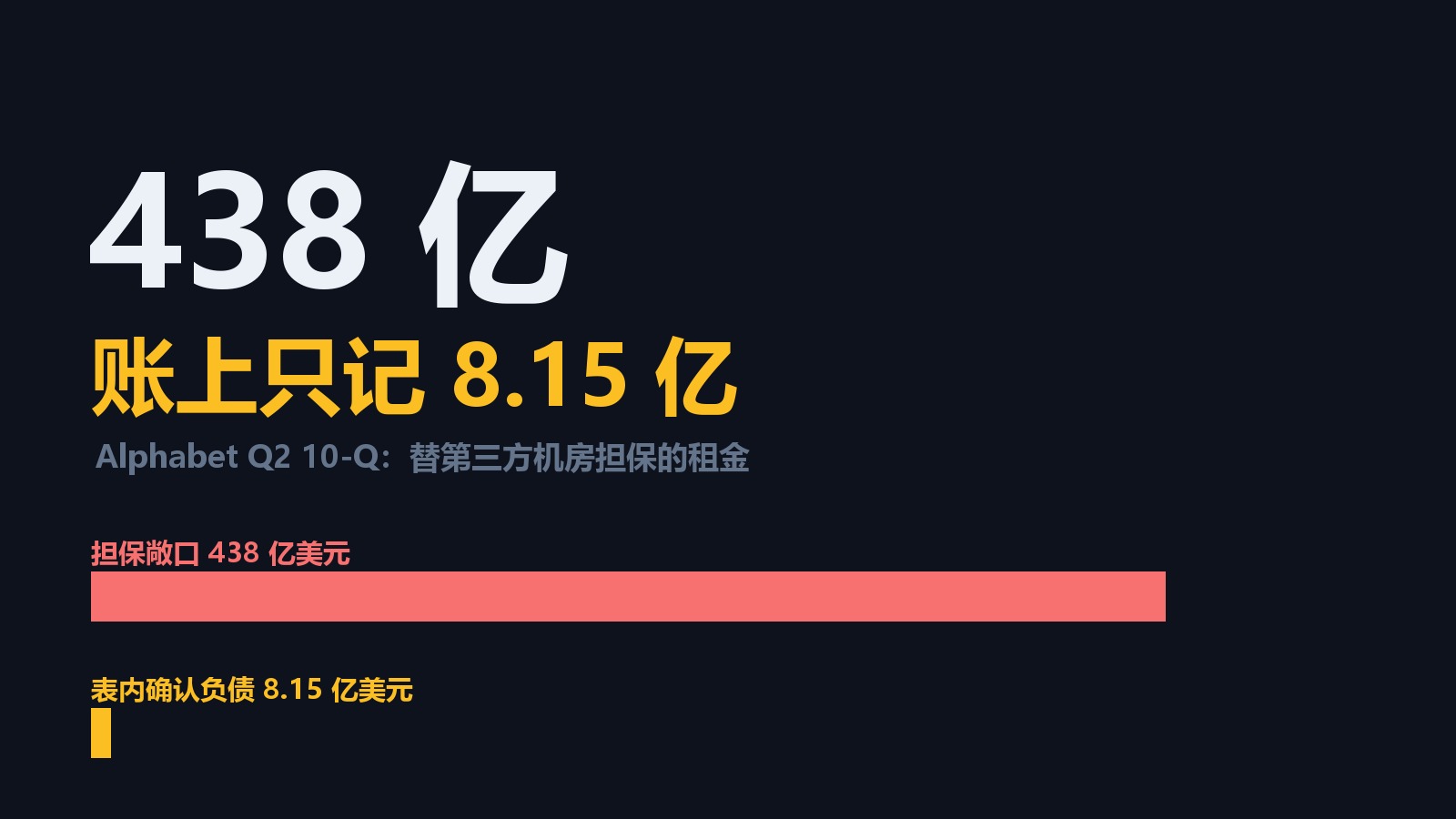
There's a number in Alphabet's Q2 2026 10-Q: as of June 30, Google had committed to cover up to $43.8 billion in third-party data center lease payments if tenants default. Nine months earlier that figure was $6.5 billion — a sevenfold increase. None of those data centers are Google's. What the guarantee buys is very concrete: with Alphabet standing behind them, operators running Google TPUs borrow at 7.1% while comparable projects in Nvidia's ecosystem pay 9.3% — a structural 2.2-point gap. At the other end of the chain sits Anthropic: run-rate revenue just past $30 billion, up from about $9 billion at the end of 2025, but with no credit rating and no way to borrow at this scale on its own. In between stand Morgan Stanley's Compute SPV, Broadcom as residual-value guarantor, and crypto miners supplying grid power. This piece takes apart how the machine works, why Google would rather keep $43.8B of exposure off its balance sheet, and the path the risk travels back.

Why Is Google Guaranteeing $43.8B of Other People's Data Center Rent? TPU Operators Borrow at 7.1%, Nvidia's at 9.3%
2026-08-04

Should You Still Build an MVP in the AI Era? 211M Lines of Code Say Rework Went From 3.3% to 7.1%

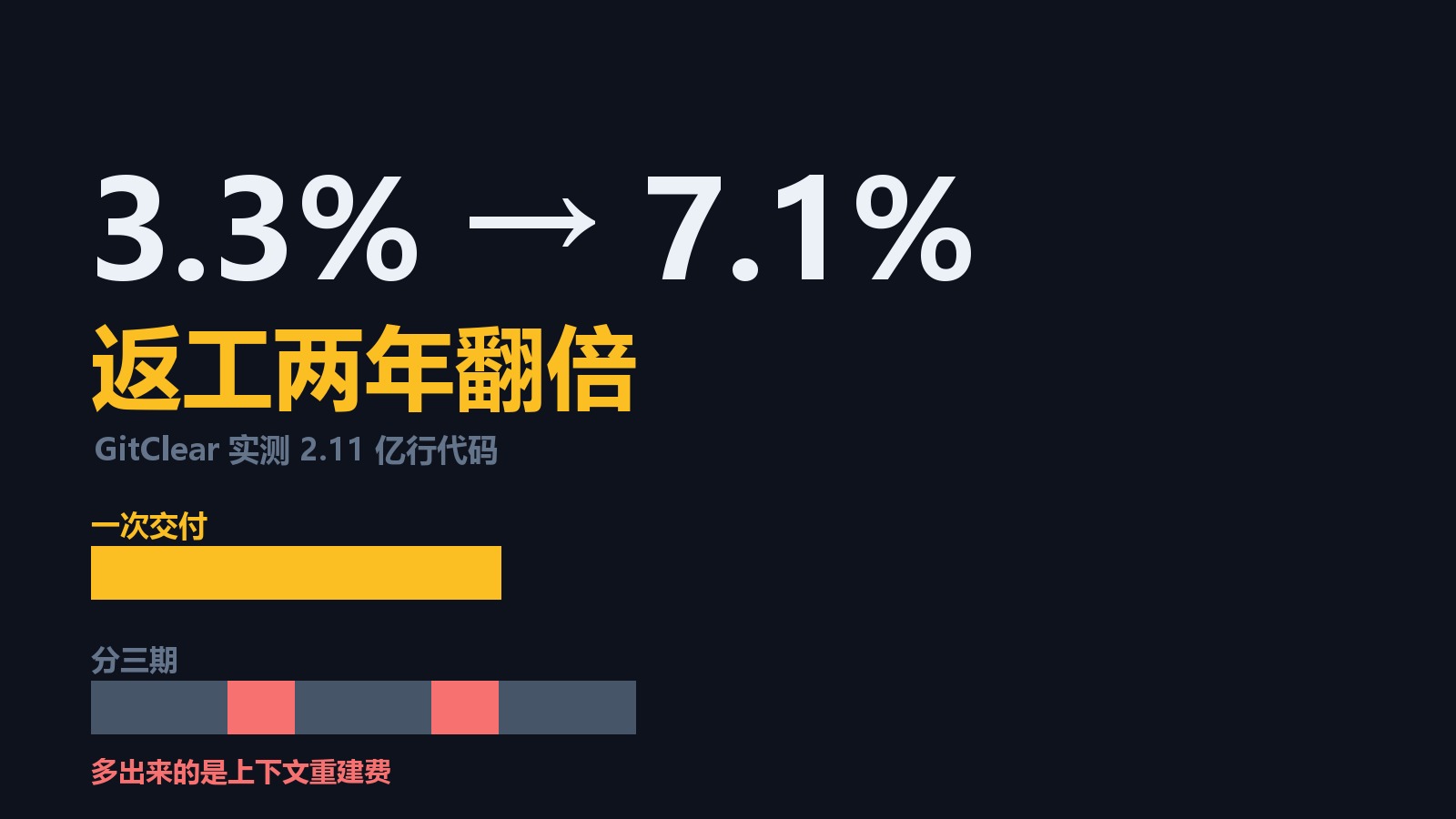
Should you still start with an MVP, still ship in phases? Throw an idea at an AI and eight times out of ten it opens with let's build a minimum viable version — and that suggestion is memorized from its training data, not calculated. The Agile Manifesto is from 2001, The Lean Startup from 2011, and the methodology rests on one premise: that a crude implementation costs far less than a complete one. With AI that premise is gone. Telling Cursor to store it in localStorage and telling it to use PostgreSQL with a connection pool differ by minutes. Worse, the AI's bill is structured backwards from a human's: most input tokens are context, not the task, and two retries can triple the cost of a session. GitClear's analysis of 211 million lines found that code rewritten or deleted within days of merging has climbed from 3.3% to 7.1%. This piece takes apart why iteration was designed for human cost structures, and where doing it right once differs from doing it all at once.

Should You Still Build an MVP in the AI Era? 211M Lines of Code Say Rework Went From 3.3% to 7.1%
2026-08-03

AI's Standard Isn't in the Model. It's in the Last Version You Nodded At

Once you compromise a single time, AI lowers the bar, then keeps compromising, and ends up producing garbage — that observation is correct. The reason isn't that the model isn't smart enough. It's that a standard doesn't exist inside the model at all; it exists in the context. The most recent sample in the context is the standard, and every one of your fine, ship it moments is calibrating it. This piece uses my own concrete failures from three days to take the mechanism apart: a cover that cropped $45 billion down to $5 billion, a paragraph added purely to hit a word count, three straight days of believing a success report that was wrong. It also explains why written rules fail the same way — the number of rules is a counter of failures, and it only covers the failure modes you already thought of.

AI's Standard Isn't in the Model. It's in the Last Version You Nodded At
2026-08-03

Apple Put a Quota on Bug Reports — and 11 Flaws in the Same Patch Batch Were Found by AI

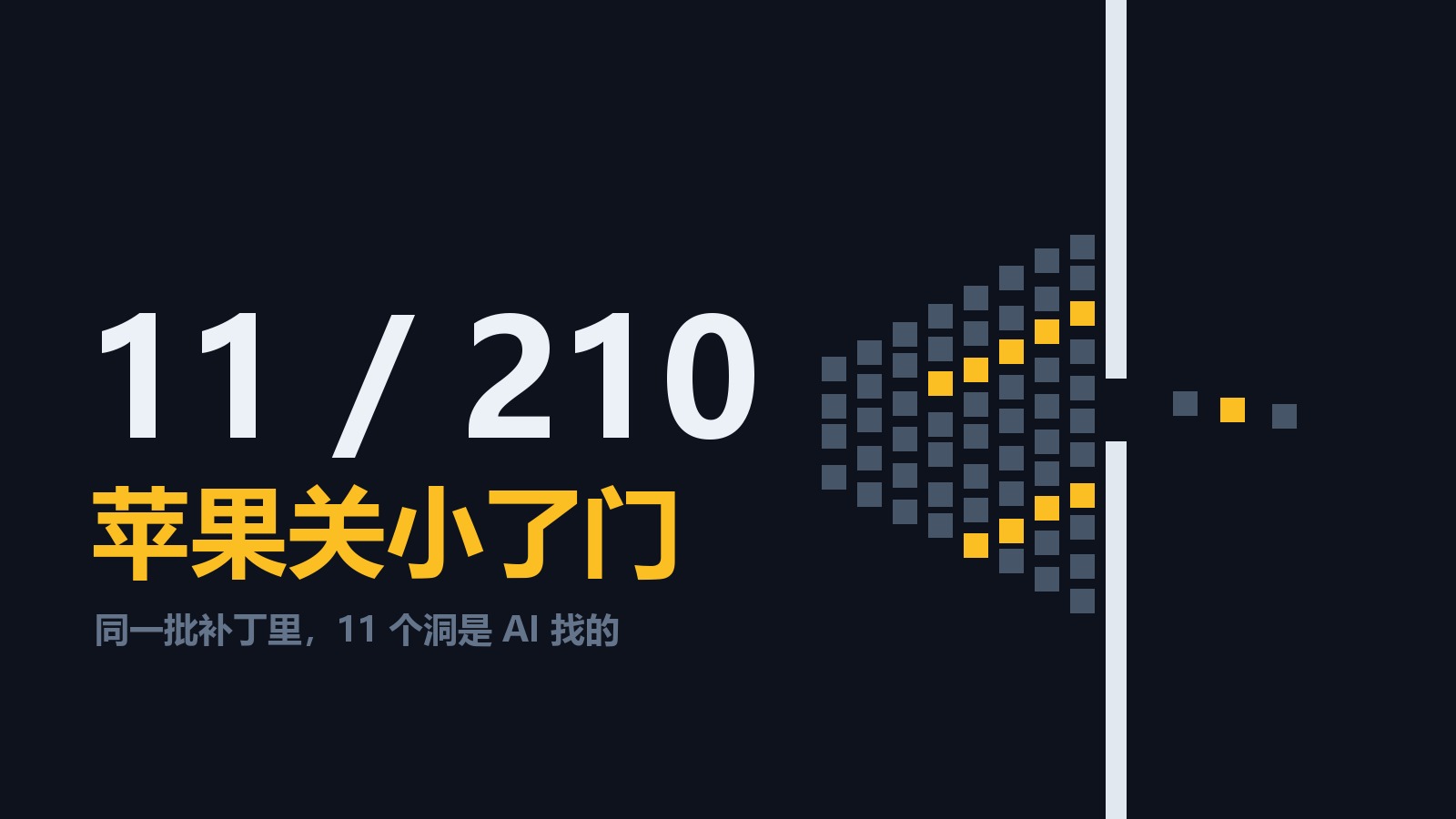
On August 2 the Financial Times reported that Apple has capped how many security reports a researcher can keep open at once and added a 30-day cool-off period, citing a flood of AI-assisted submissions. One week earlier, on July 27, Apple shipped 8 security advisories fixing 210 vulnerabilities — and 11 of them were found by AI: four credited to Claude, two to OpenAI Codex Security, three to the NVIDIA AI Red Team, two to Z.AI's GLM, and one screen-sharing privilege escalation to an automated engine called Atuin. The same day, GitHub halved its public bounty tiers and moved top payouts into an invite-only track. curl took the third road — leave the door open, remove the money — and reopened this morning after five weeks shut. Three projects, three different parts of the machine: one changed the incentive, one changed reputation, one changed the gate.

Apple Put a Quota on Bug Reports — and 11 Flaws in the Same Patch Batch Were Found by AI
2026-08-02

Tim Cook's Last Quarter: Apple Got Caught by Its Own Demand Forecast

On July 30, Tim Cook hosted the last earnings call of his tenure. He warned that iPhone, iPad and Mac will all be supply-constrained in the September quarter, and that Apple has less flexibility in the supply chain than normal, with a shortfall in leading-edge capacity. But he also named the root cause: this is not a supply issue but a demand forecast issue — demand ran beyond Apple's expectation. DRAM and NAND are up 63%–75% year over year, Cook called memory pricing a hundred-year flood, and admitted Apple did not want to raise prices but had to. John Ternus becomes CEO on September 1. A man who spent 25 years running supply chains ends his last quarter stuck on supply — and the root cause is a product judgment.

Tim Cook's Last Quarter: Apple Got Caught by Its Own Demand Forecast
2026-08-01

On July 24 He Called It a 'Strategic Entry Window.' On July 30 the Fund Was Force-Liquidated.

Leopold Aschenbrenner was born in 2001, fired by OpenAI at 22, published Situational Awareness in June 2024, and launched a fund under that name in September 2024, long AI infrastructure. By early July 2026 the fund ran $45 billion, up more than 2000% cumulatively and 439% in the first half of 2026 alone. On July 24 he wrote to investors calling the drawdown a "strategic entry window" and invited them to add capital on August 1. On July 30 the fund was force-liquidated: Citadel took the entire public-market book, about $16 billion, at a discount in under 36 hours. July losses: 67%. The next day the stocks he was liquidated out of rose 25.99%, 21.51%, and 26.49%. This is a breakdown of why what he was long got repriced on exactly July 30, and how a correct long-term call turns into a wrong position under 4x leverage.

On July 24 He Called It a 'Strategic Entry Window.' On July 30 the Fund Was Force-Liquidated.
2026-07-31

Same Day: Microsoft Added $450 Billion in Market Cap, Meta's Free Cash Flow Fell to $784 Million

On July 30, Microsoft rose 15.63% and added roughly $450 billion in market value in a single day, the largest one-day gain in US market history, past Nvidia's $441 billion on April 9, 2025. Meta fell 9% the same day. Both had reported the night before, both grew revenue, and Meta grew faster. The difference was somewhere else: Microsoft cut its calendar 2026 capex guidance from the roughly $190 billion it gave in April to about $175 billion, while Azure growth accelerated from 40% to 43%. Meta raised its full-year capex guidance to $130–145 billion and reported $784 million in free cash flow. This piece breaks down where that $15 billion came from, which part is efficiency and which part is accounting treatment, and what it means for product managers that Microsoft holds 27% of OpenAI and also put $5 billion into Anthropic.

Same Day: Microsoft Added $450 Billion in Market Cap, Meta's Free Cash Flow Fell to $784 Million
2026-07-30

He Gave Away 2.8 Trillion Parameters, Then Left One Gate in the License — Yang Zhilin, and Why He Still Isn't on This List

On July 27, Moonshot AI uploaded the complete weights of Kimi K3 to Hugging Face. 1.42 TiB, 2.8 trillion total parameters, 104 billion active, a 1-million-token context window — the largest open-weight model ever released. The part a product manager should read isn't the parameter count, it's clause two of the license: the body of it looks like MIT, but the moment you turn it into a service and clear $20 million a year, you come back and sign a separate agreement with Moonshot. Rarer still, in their own release materials they concede that K3's overall performance still trails Claude Fable 5 and GPT-5.6 Sol, and that the user experience has a gap. The same week, the White House CTO publicly accused them of distilling Anthropic. This piece is about three of Yang Zhilin's product decisions, and it answers one question head-on: why he isn't in The 100 Product Managers Who Changed the World.

He Gave Away 2.8 Trillion Parameters, Then Left One Gate in the License — Yang Zhilin, and Why He Still Isn't on This List
2026-07-28

CXMT Jumped 466% on Day One. The Company Has No Product Manager

On July 27, 2026, ChangXin Memory listed on the STAR Market and closed up 465.82% at a 3.28 trillion yuan valuation, raising 57.9 billion yuan — the largest IPO in STAR Market history. Three years ago it lost 16.7 billion; cumulative losses hit 36.65 billion. This year it made 24.7 billion in a single quarter. DRAM specs are written by JEDEC and prices are set by the cycle. In twenty years, not one of Zhu Yiming's key decisions was a product decision.

CXMT Jumped 466% on Day One. The Company Has No Product Manager
2026-07-28

The 100 Product Managers Who Changed the World · No. 6 | Elon Musk: He Tore Out a Production Line That Was Making Money, to Make Room for a Robot That Can't Stand Up on Its Own

Tesla reported Q2 on July 22: revenue up 26%, operating income down 57%. The part that fell wasn't taken away by the market — he spent it himself. Inside Fremont, the Model S and Model X lines were torn out to make room for Optimus's first production line, and "other models" production dropped 34% year over year. The same week, in a 90-minute interview with The Economist, he said AI may exceed the sum of human intelligence within five years; on the earnings call he said everyone else's humanoid robots are "teleoperation and scripts." No. 6 on the list, OVR 95: vision 99, originality 99 — then insight 88 and taste 84. This piece is about those two docked scores. They aren't a knock on him; they're the same key that explains why he dared tear out that line, and why Waymo has pulled away from him on Robotaxi.

The 100 Product Managers Who Changed the World · No. 6 | Elon Musk: He Tore Out a Production Line That Was Making Money, to Make Room for a Robot That Can't Stand Up on Its Own
2026-07-26

The TIME Cover Shows a $650,000 Mecha. Wang Xingxing's Best Seller Costs Under $5,000

On July 23, Wang Xingxing and the GD01 manned mecha landed on the cover of TIME. But inside the issue sits a different set of numbers, and those are the ones product people should read: robot dogs down from $45,000 to under $2,000 in six years, the R1 under $5,000 — and 74% of shipments going to universities and labs. The product he is really pushing is the price curve.

The TIME Cover Shows a $650,000 Mecha. Wang Xingxing's Best Seller Costs Under $5,000
2026-07-21

The 100 PMs Who Changed the World · No. 13 | Jensen Huang: The Most Expensive Company on Earth — Stuck Outside the Pantheon of Product Managers

No. 13 on the list is Jensen Huang, OVR 94, stuck one full point outside the Pantheon (the 95 line). Just this month, OpenAI's GPT-5.6, xAI's Grok 4.5, Moonshot's Kimi K3, and Meta's Muse Spark took turns dropping new models to grab headlines — but they all run on Jensen Huang's chips. Nobody knows who wins the model war; the man selling the shovels wins for sure. His NVIDIA soared to a $5.4 trillion market cap, the most valuable company on this planet. And yet a man standing at the very core of the AI era can't get into the Pantheon on this product-manager list, ranking only in the Legends tier. The answer hides in the two lowest of his six dimensions: Taste 83, Insight 87. This isn't a knock on him — it's precisely the key to understanding him. He's the most profitable kind of product manager of this era, and that kind of product manager doesn't run on taste.

The 100 PMs Who Changed the World · No. 13 | Jensen Huang: The Most Expensive Company on Earth — Stuck Outside the Pantheon of Product Managers
2026-07-17

The 100 PMs Who Changed the World · No. 5 | Zhang Yiming: His Best Product Isn't Douyin — It's a Machine That Mass-Produces Hits

No. 5 on the list is Zhang Yiming, OVR 96. Just last month, his net worth of $92.8 billion overtook Ambani, making him the second-richest man in Asia and the undisputed richest in China — and this is a man who almost never gives interviews, stepped down as CEO back in 2021, and rarely even shows his face. How does an "invisible" man become the second-richest in Asia? The answer hides in the lowest of his six dimensions: Taste, just 88. That's not a knock on him — it's precisely the key to understanding him. Because Zhang Yiming is the most counterintuitive product manager on this list: he deliberately refuses taste, replacing intuition with data and aesthetics with algorithms, and built a machine that keeps mass-producing global hits. This piece breaks down his six scores — and a bet that Doubao is now putting back to the test.

The 100 PMs Who Changed the World · No. 5 | Zhang Yiming: His Best Product Isn't Douyin — It's a Machine That Mass-Produces Hits
2026-07-10

The 100 Product Managers Who Changed the World · No. 4 | Sam Altman: His Real Product Was Never ChatGPT — It's OpenAI Itself

No. 4 on the list is Sam Altman, OVR 96 — but the lowest of his six dimensions is taste, just 87. That's not a knock on him; it's the key to understanding him. This week he wasn't busy with product: he admitted to CNBC that OpenAI made "a lot of changes" with the White House to ship GPT-5.6, was reported to have offered a U.S. sovereign fund 5% of the company, and published a pitch for an "American-led international AI forum." A consumer product company's CEO, spending a week on the Treasury Secretary — because the product he's actually running was never that chat box. It's where the three letters O-P-E-N-A-I sit in the world. This piece breaks down his six scores, and the bet the numbers are now testing.

The 100 Product Managers Who Changed the World · No. 4 | Sam Altman: His Real Product Was Never ChatGPT — It's OpenAI Itself
2026-07-09

The 100 Product Managers Who Changed the World · No. 1 | Steve Jobs: The Only 99 on the Entire List Went to a Man Who Never Wrote Code

I had Claude score the 100 product managers who changed the world, and only one 99 came out of the entire list — Steve Jobs. What's interesting is that the two biggest stories of early 2026 both testify to that score: Apple outsourced the rebuilt Siri to Google Gemini, and OpenAI spent $6.4 billion to bring in Jony Ive, with its first device due in the second half of the year. This piece walks through his six dimension scores one by one: why vision earned a 99, why insight lost a point, the tuition hidden inside the 97 for business — and why the greatest product manager in history happened to be a man who never wrote code.

The 100 Product Managers Who Changed the World · No. 1 | Steve Jobs: The Only 99 on the Entire List Went to a Man Who Never Wrote Code
2026-07-08

The 100 Product Managers Who Changed the World · No. 2 | Allen Zhang: Insight and Taste Both 99 — Yet He Chose to Leave Business at 92

No. 2 on the list is Allen Zhang, OVR 97, second only to Steve Jobs. What's fascinating is that across his six dimensions, insight is 99 and taste is 99 — the ceiling of the entire list, shoulder to shoulder with Jobs and even higher — yet business is only 92, the lowest of his six. It's not that he can't make money; the opposite. He deliberately pushes away money handed to him on a plate. The one thing this year that best explains this operating system: Tencent's own AI, Yuanbao, can't catch Doubao on monthly actives — and a rarely-stated reason is that Allen Zhang's WeChat locked even Tencent's own AI outside the social graph. This piece unpacks Zhang across the six dimensions, and unpacks a bet that is being re-validated in the second half of the AI era.

The 100 Product Managers Who Changed the World · No. 2 | Allen Zhang: Insight and Taste Both 99 — Yet He Chose to Leave Business at 92
2026-06-19

16 Senior Devs Used AI to Code. They Thought It Made Them 20% Faster. It Made Them 19% Slower.

In METR's randomized controlled trial, 16 experienced open-source developers did real tasks on projects they'd maintained for an average of five years. The ones using AI were 19% slower. But the worse part is the other half: they predicted AI would speed them up 24% beforehand, and after finishing — after personally living through the slowdown — they still believed they'd gone 20% faster. Their gut and the stopwatch were off by nearly 40 percentage points, with the sign flipped. As someone who plans roadmaps, quotes timelines, and defends budgets on team-productivity estimates every day, I want to spell out where this illusion comes from, where it holds, and how it's quietly seeped into every AI-related decision in our line of work.

16 Senior Devs Used AI to Code. They Thought It Made Them 20% Faster. It Made Them 19% Slower.